
Little Routines, Big Benefits: How Everyday Routines Help Young Children Learn and Grow
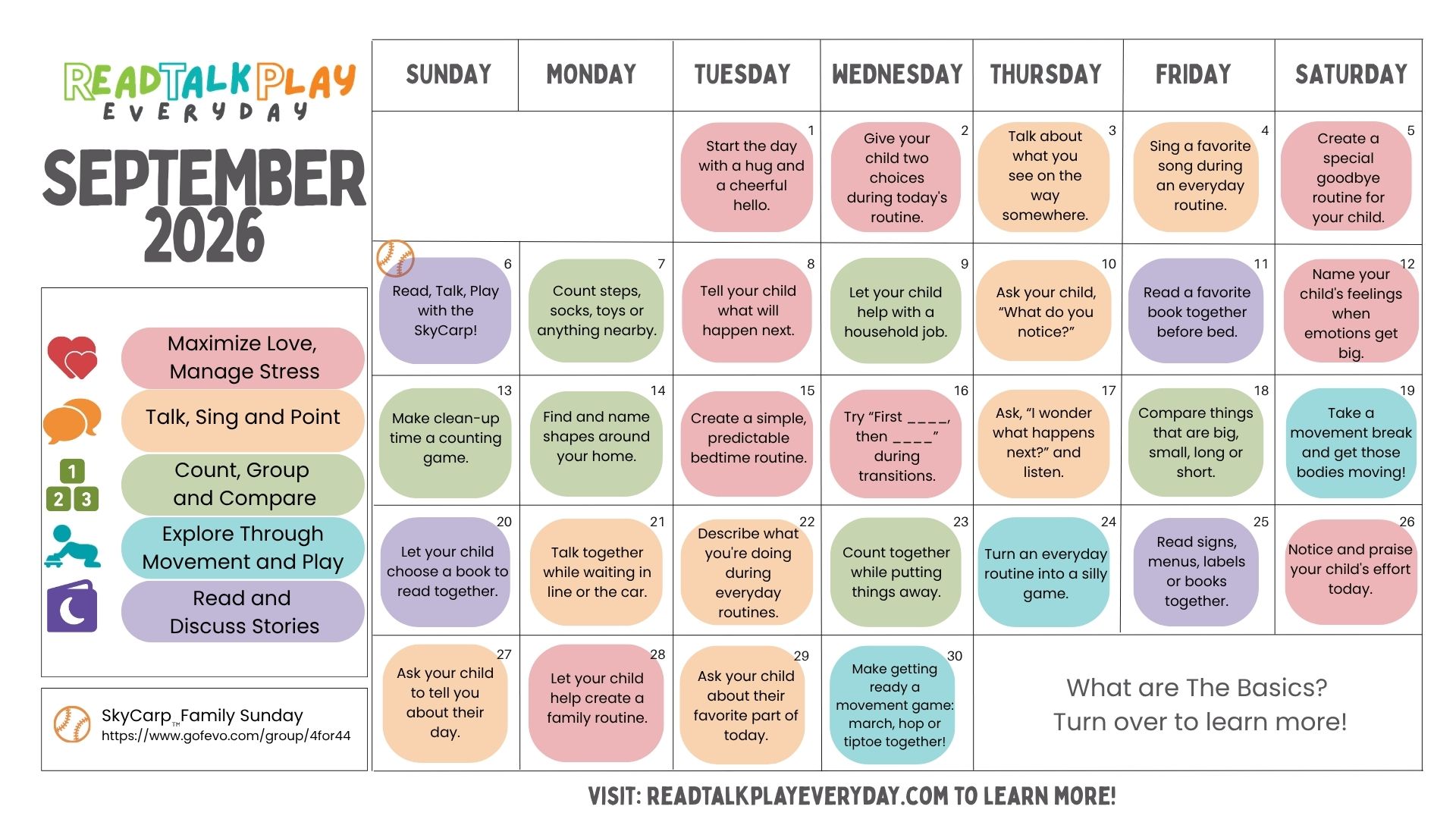
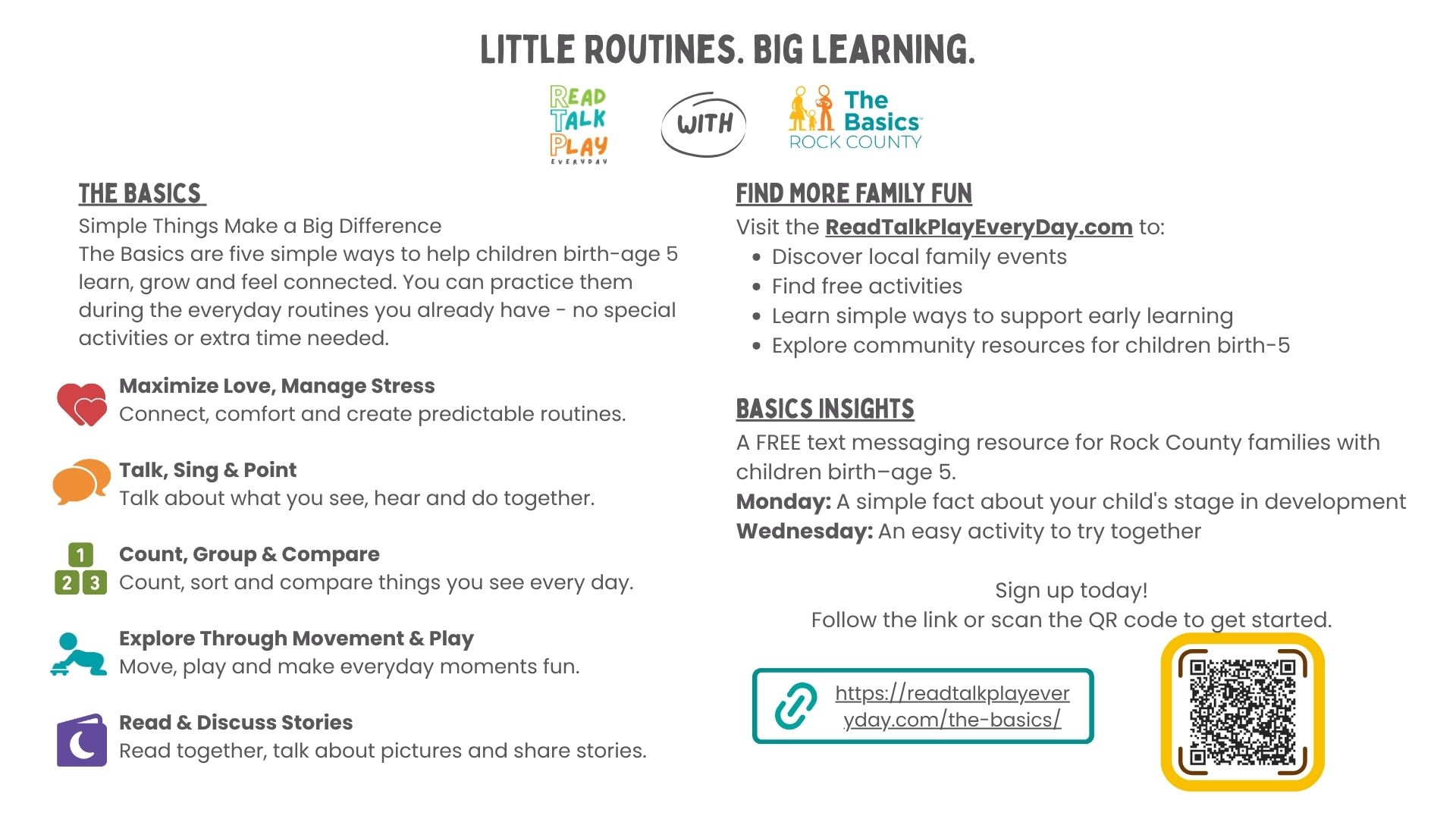
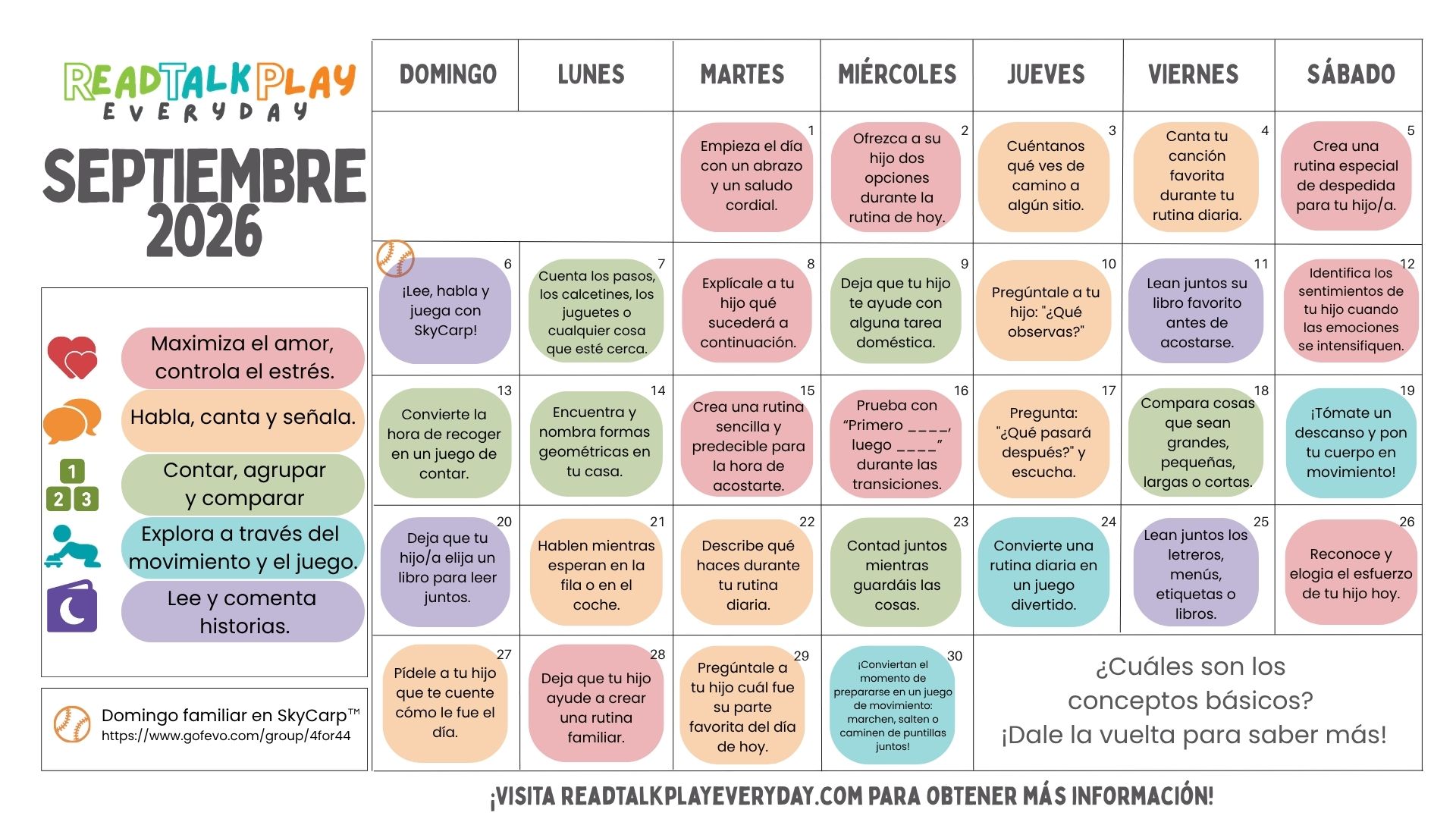
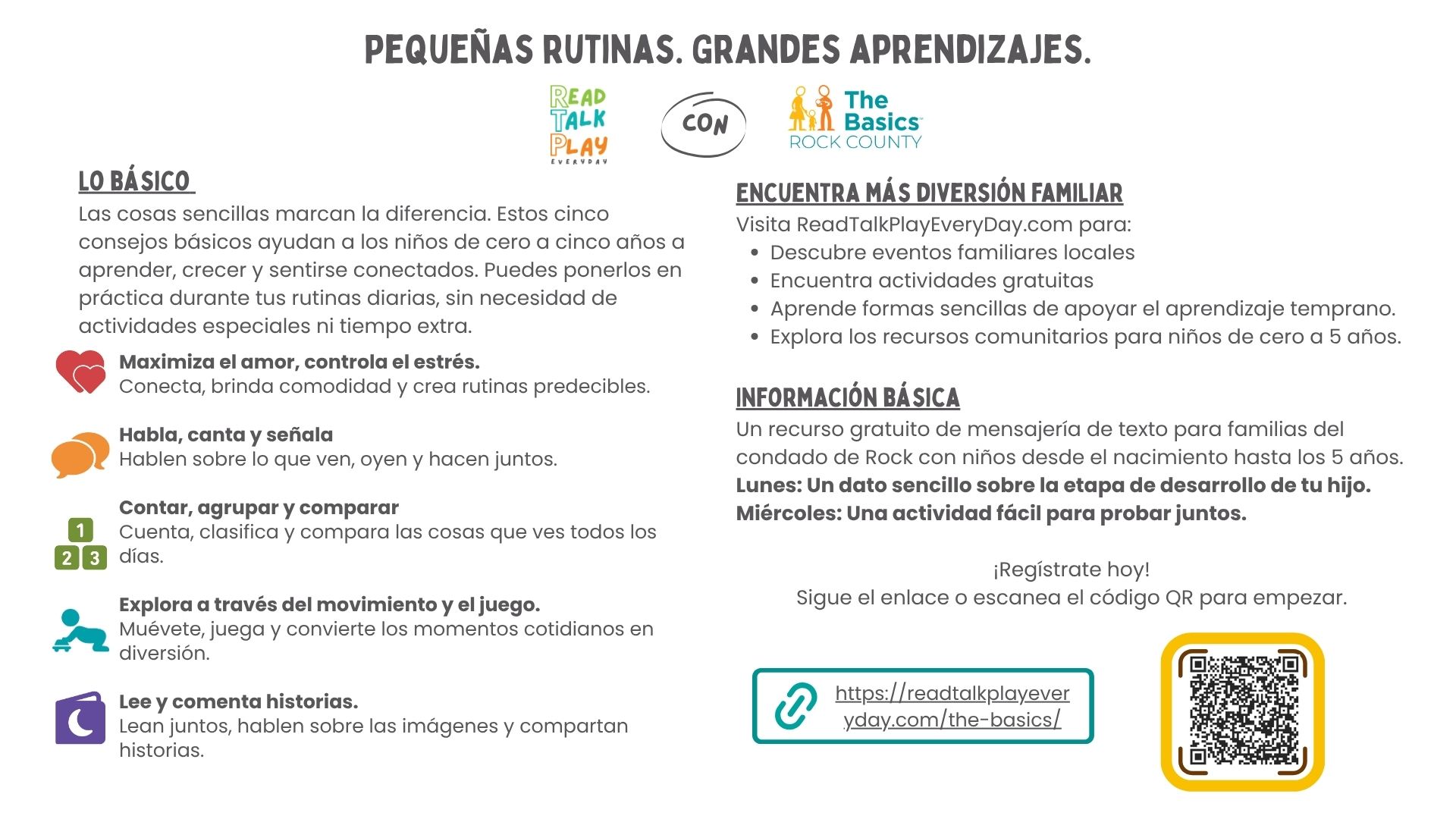
September often brings a change of pace for families. School begins, activities start up again, bedtimes may shift and everyone adjusts to a new schedule.
For young children, all of these changes can be exciting, but they can also feel like a lot.
That’s where routines can help.
Routines give children a sense of what to expect. When children know what comes next, they can feel more secure and become more confident participating in everyday activities.
And here’s something important for parents and caregivers:
You don’t need to create more activities to help your child learn.
Many of the routines you already have are filled with opportunities for learning.
Morning routines can build connection.
A hug when your child wakes up. Talking while getting dressed. Giving your child two choices about what to wear.
These small moments help children feel connected and give them opportunities to practice making choices and communicating.
That’s Maximize Love, Manage Stress, one of The Basics.
Mealtimes are learning time.
Talk about what you’re eating. Count pieces of fruit. Compare which cup is bigger. Ask your child what they notice.
You might be surprised by how much learning can happen around the kitchen table.
That’s Talk, Sing & Point and Count, Group & Compare happening naturally.
Cleanup can become play.
“Can you find all the red blocks?”
“Let’s see how many cars we can put away.”
“Can we clean up before this song ends?”
When children move, sort, count and play, they’re learning.
That’s Explore Through Movement & Play and Count, Group & Compare.
Bedtime can become a connection routine.
A predictable bedtime routine can help children transition from the busyness of the day to a quieter part of the evening.
And reading together is one of the simplest ways to build language and early literacy.
Talk about the pictures. Ask what your child notices. Let them turn the pages. Ask what they think might happen next.
That’s Read & Discuss Stories.
Routines don’t have to be perfect.
Some days will go smoothly.
Some days will not.
That’s okay.
The goal isn’t to create a perfectly predictable day. The goal is to create familiar moments of connection that help children know they are safe, loved and supported.
The Basics are not another thing to add to your to-do list.
They’re a reminder that the everyday moments you’re already sharing with your child are important.
Talk in the car.
Count while cleaning up.
Sing while getting dressed.
Play while waiting.
Read before bed.
Give a hug when a transition feels hard.
Small moments add up.